
Finding People Across Greensboro Records
Greensboro sits inside a three-level records system. City offices keep permits, council files, police public copies, and cemetery material. Guilford County holds the deeds, tax ownership rolls, local vital records, trial-court files, and voter administration records that often provide the strongest links between a name and a place. North Carolina adds statewide court, voter, correctional, license, business, and unclaimed-property searches.
Choose the first search by what is known. A current or old street address points to the tax roll and GIS map. A full name plus an event date may fit a court, deed, voter, or vital record. For a deceased relative, city directories, obituaries, cemetery indexes, estates, and deeds can build a sound chain. Greensboro is a county seat, so many key counters are close together, but High Point also has county counters.
- Write down the full name, spelling variants, a date range, and any Greensboro address or relative already known.
- Use the Guilford real-property search for an address or owner, then save its parcel and deed reference.
- Check eCourts and Court Dates with Guilford selected, adding dates when a common name returns too many results.
- Move to deeds, voter details, business filings, archives, or vital records only when that source fits the person and event.
- When the web trail ends, ask the correct counter for a terminal, bound index, microfilm, archived file, or existing city record.
Greensboro People Search Custodians
Custody follows the record, not the postal city on an envelope. The Guilford County Register of Deeds handles recorded land instruments and local birth, death, and marriage copies. The Clerk of Superior Court keeps civil, criminal, divorce, estate, and special-proceeding files. Greensboro’s Public Records Requests Administrator is the fallback for city records that are not already posted. The detailed access rules and copy process belong with Greensboro public records.
Guilford Register of Deeds
201 W. Market St.
Greensboro, NC 27401
336-641-7556
Greensboro Records Administrator
219 N. Church St.
Greensboro, NC 27402-3136
336-373-3636
Normal Register of Deeds hours are weekdays from 8 a.m. to 5 p.m. Marriage-license and out-of-county birth-certificate service ends at 4:30 p.m. The city also takes requests by email, mail, and phone. These routes matter when a web form fails or a scan is not posted.
Greensboro Property Names and Addresses
The Guilford tax roll is often the quickest bridge from a name to land. Its owner search accepts name fragments, while address and parcel modes handle place-based searches. A result can show the owner, tax mailing address, physical or situs address, parcel number, legal description, values, sale data, and deed reference. The mailing address may point to an owner who lives elsewhere. Neither address proves who now lives on the parcel.
The Guilford real-property search exposes the search modes shown here.
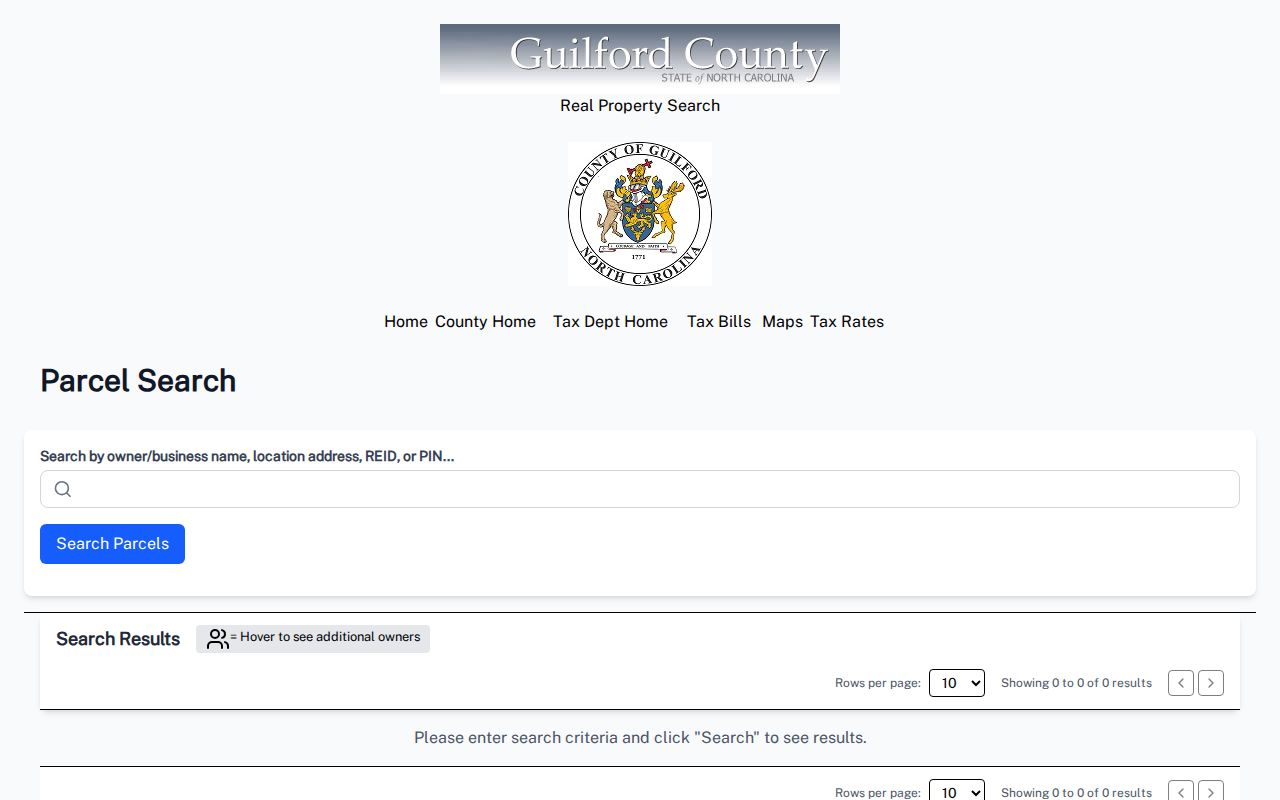
The screen supports a focused owner or address lookup before a researcher moves to maps and recorded deeds.
| Search route | Useful input | Practical detail |
|---|---|---|
| Owner name | First or last name fragment | At least three letters; test surname and business forms |
| Parcel number | Up to seven digits | Omit leading zeroes |
| Street address | Number or street-name fragment | Broad fragments may return similar numbers |
| REID or account | Local tax identifier | Best when copied from a prior parcel result |
Next, open the Guilford GIS viewer to check boundaries and tax districts. A Greensboro mailing label can sit outside city limits, and ZIP codes do not set jurisdiction. GIS is a map aid, not a legal survey.
Trace Greensboro Owners Through Deeds
A parcel result often supplies the book and page of the latest deed. Use that reference in the Guilford Real Estate Online Records Search, read the grantee and grantor names, then follow the prior reference back. This builds a chain of title, meaning the recorded sequence of owners. It does not build a complete list of occupants because an owner may rent, hold, or manage property without living there.
The deed portal searches party name, book and page, instrument number, date, and document type. Its verified web coverage is expressed by books, not a single start year: plats Book 70 forward, condominium maps Book 3 forward, and real estate Book 3192 forward. Earlier material can still be reached by book and page or through the Greensboro counter. Dates before 1997 are stored as a year and reset to that year in a date search.
- Grantor
- The party giving or transferring an interest.
- Grantee
- The party receiving the interest.
- Situs address
- The physical address assigned to the parcel.
- Instrument
- A recorded document such as a deed, deed of trust, or plat.
Note: The Register can correct its own index, but it cannot rewrite a misspelled name in the original recorded instrument.
Greensboro Property Fraud Alerts
Recorded deeds also support a current safety tool. The Guilford County Register of Deeds promotes a free property-fraud alert that watches newly indexed instruments for a subscribed name. An alert can tell a Greensboro owner that a deed or other instrument has entered the index under that name, which creates a prompt to inspect the filing rather than waiting to discover it later.
The service has firm limits. It is name-based, so common names can produce notices about someone else and spelling variants may matter. The alert arrives after recording. It does not block a filing, decide whether the document is valid, or prove fraud. A recipient should open the official index entry, compare its book, page, instrument number, parties, and parcel reference, then call the Register through the number on its government page if the filing is not recognized.
This is also a useful identity check for family land or an estate. A shared surname can point to the right recorded instrument, but the party role and legal description must match before drawing a conclusion. Save the alert, the official index reference, and any related deed image. If fraud seems possible, the Register and law enforcement are the proper next contacts.
Search Greensboro Court Names Online
Greensboro has no separate municipal-court name database. Local cases flow through North Carolina District and Superior Courts in Guilford County. The statewide eCourts Portal uses a case number or party or business name, with filters for location, case type, status, and filing date. Public results may identify parties, roles, attorneys, events, hearings, status, and available documents.
The North Carolina eCourts Portal provides the statewide case interface.
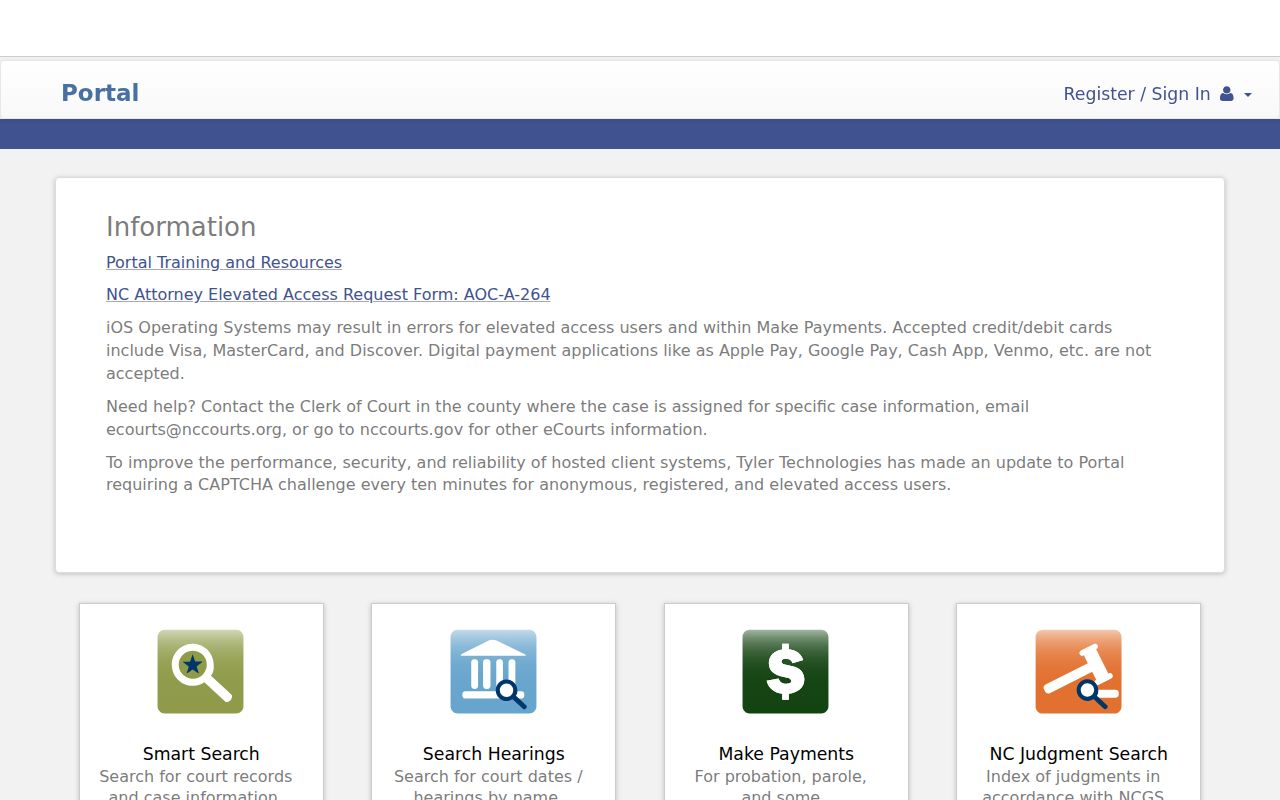
Anonymous searching does not require an account. A free account can save cases but does not reveal extra public information.
| Record channel | What it returns | Fallback |
|---|---|---|
| eCourts Smart Search | Case, party, status, event, and hearing data | Clerk terminal or archived file |
| NC Court Dates | Upcoming date, session, place, and case label | Clerk for the complete docket |
| Middle District PACER | Federal docket and public filings | Federal clerk; PACER account and fees apply |
The NC Court Dates search accepts a name or citation and can narrow to Guilford County.
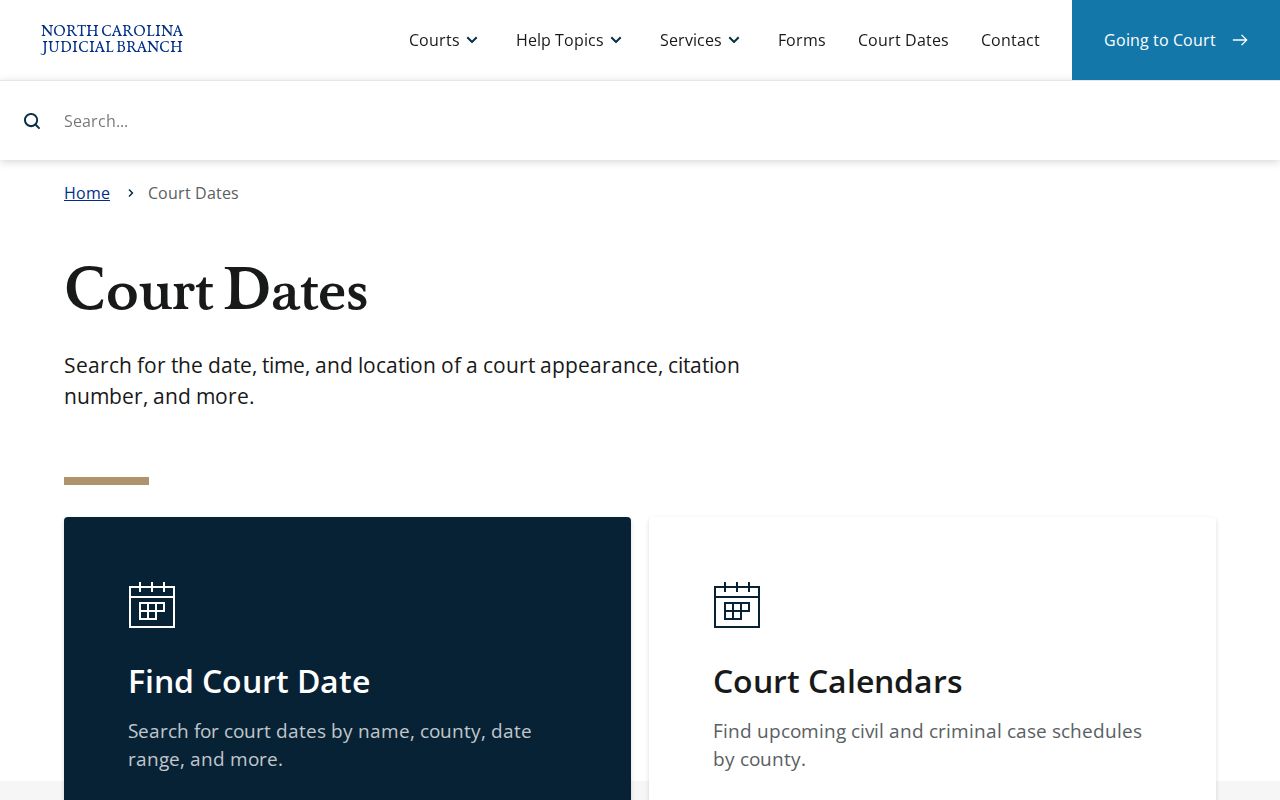
A calendar result confirms a scheduled appearance, not the full history or final result of a case.
Greensboro Vital Record Trails
Guilford County’s Register of Deeds issues local birth, death, and marriage copies. North Carolina Vital Records also maintains statewide births, deaths, fetal deaths, marriages, and divorces. Divorce pleadings and judgments remain with the Clerk, while a state certificate confirms only the event. That distinction can save a trip to the wrong office.
North Carolina does not use a broad rule that opens all births after 100 years and deaths after 50. G.S. 130A-93 permits inspection of local certificates and abstracts subject to protected medical information. G.S. 130A-99 limits certified copies to listed family members, the registrant, and authorized representatives. County certified copies cost $10. Uncertified copies cost five cents per page in person or $1 per page by mail, and mailed requests require the signed form, identification copy, and payment.
For family history, combine a death record with an obituary, cemetery entry, estate file, and deed transfer. Each source answers a different point. Adoption material and original birth information follow separate confidential procedures and should not be treated as an ordinary open lookup.
Read Greensboro Voter Records Carefully
The NCSBE Voter Search can confirm a public registration profile, precinct, districts, polling location, ballot style, and participation history. It does not show candidate choices. Full dates of birth, Social Security numbers, identity documents, registration-agency data, and protected addresses stay out of the public result. A detailed walkthrough of the tool and voter file is available in the Greensboro voter registration lookup.
Use first and last name, then add Guilford County, year of birth, and a status choice to narrow a common name. Inactive status is an administrative result that can follow address-confirmation steps. It is not proof that the person moved. A protected voter can have a residence address suppressed while the name, precinct, and other allowed data remain public.
Lawful use. Use Greensboro records only for lawful personal or civic research. Never use a record to threaten, stalk, intimidate, or harass anyone.
Greensboro Business and Money Leads
The North Carolina Secretary of State search can link a person to a business filing as a registered agent, official, or filing contact. Treat roles with care. A registered agent is the legal contact for service and is not always the owner. The statewide assumed-name database covers filings made under the revised system from December 1, 2017; older Guilford assumed names require the Register of Deeds.
Unclaimed property offers a separate name trail. The official NC Cash search looks for an owner name and may display a co-owner, partial reported address, property type, and reporting holder.
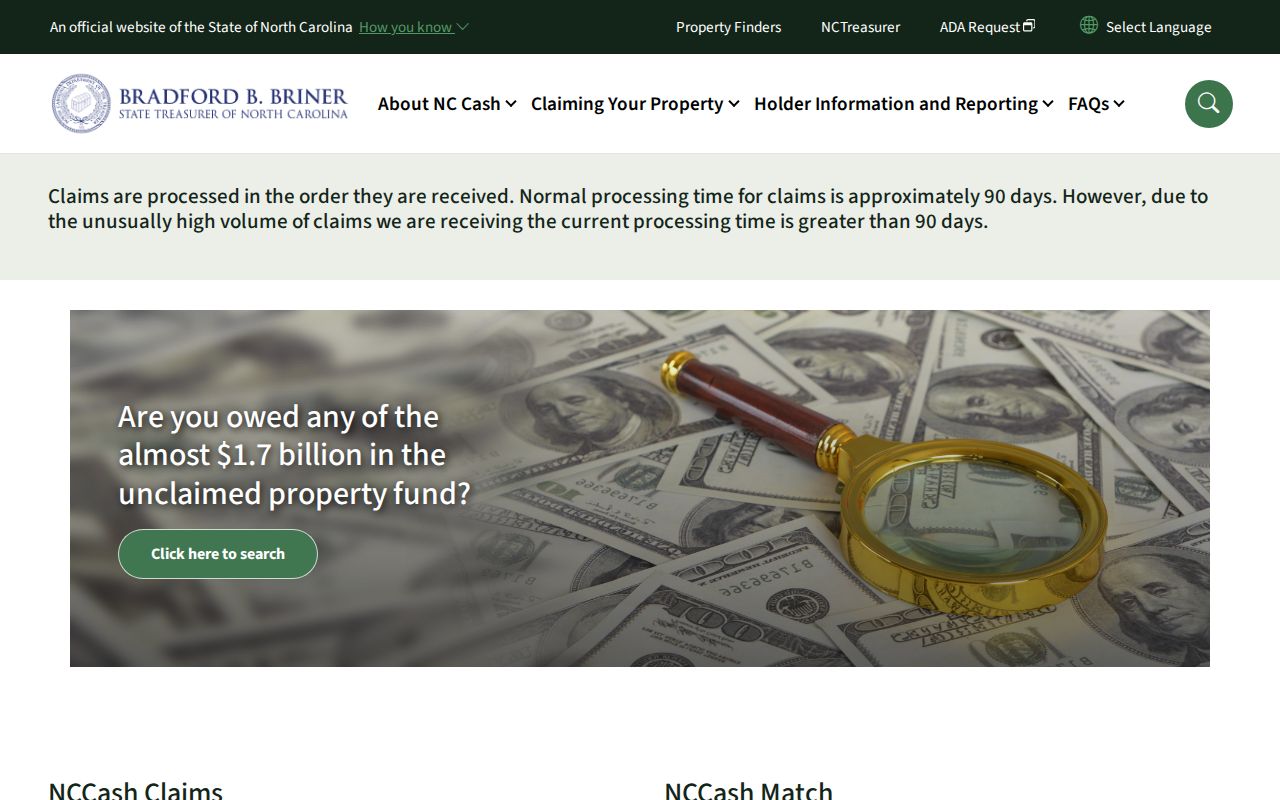
A possible match is a lead, not proof of identity, and an official claim requires separate documentation. Claims through NC Cash are free.
Greensboro Custody and Registry Searches
Different custody systems cover different places and time frames. The Guilford County Sheriff search is a current county-jail snapshot. North Carolina’s Department of Adult Correction search covers state custody and supervision. The federal Bureau of Prisons locator covers federal inmates from 1982 forward. A release label in one system says nothing about custody in another.
The Guilford inmate search begins with name and booking filters.
Results can show booking, custody, charge, bond, and release data as available, but the status can change quickly.
The NC Sex Offender and Public Protection Registry supports name, address, radius, and map searches.
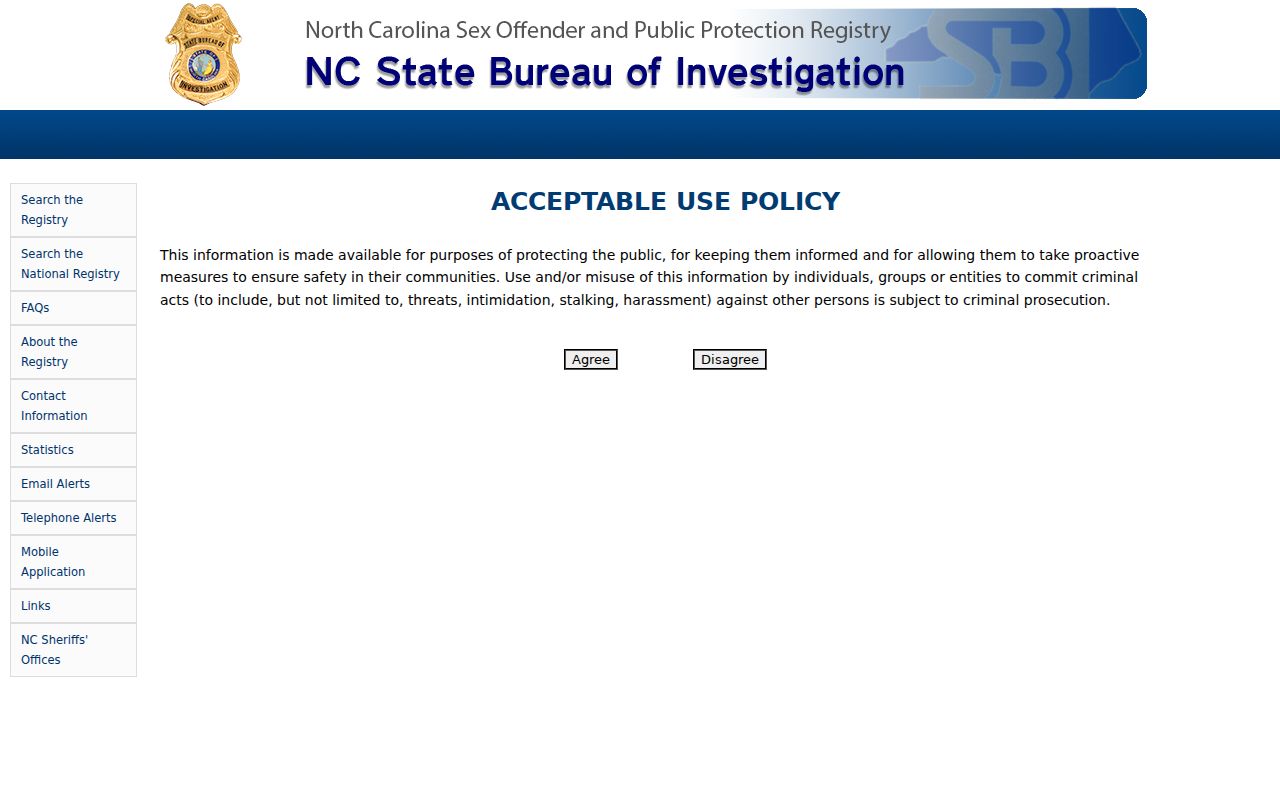
Only people legally required to register appear. The registry itself bars threats, stalking, intimidation, and harassment.
Greensboro Directories Bridge the Years
Modern government and campus directories help route official contact. Older city and reverse directories can do more. An alphabetical volume turns a person’s name into an address, spouse, and occupation. A reverse section starts with the street and identifies occupants or nearby names. Reverse coverage must be checked volume by volume because no official source says every Greensboro edition contains it.
The Greensboro History Museum identifies digitized volumes beginning with a combined Winston-Salem-Greensboro 1879/80 book and extending through 1981/82, with no listed 1932 or 1944 volume. Physical main editions extend into 2007 and suburban editions into 2004 with gaps. Central Library holds a more complete second-floor microform run at Microform 317.56 G81.
For a former classmate, add yearbooks and campus papers from UNCG Gateway, North Carolina A&T archives, or other local colleges. For a deceased resident, the library’s obituary and cemetery tools can supply kin, church, burial place, and alternate surnames. The principal municipal burial index covers Forest Lawn, Green Hill, and Maplewood, while Union Cemetery has a separate marked-grave index.
Guilford Records Predate Greensboro
Guilford County began administration in 1771, before Greensboro became the planned county seat. Earlier families may appear in Rowan or Orange County without having moved because those counties supplied the land that formed Guilford. Randolph split away in 1779, followed by Rockingham in 1785. That changing geography matters when a name vanishes from one county series.
British forces destroyed courthouse records from 1771 through 1781 during the Revolutionary War campaign. A second courthouse fire came in 1872, yet losses vary by series. The State Archives still describes Guilford deed material from 1771 through 1957 and surname index boxes for roughly 1785 through 1930. Check deeds, court minutes, estates, tax lists, and marriages separately instead of assuming one fire erased all evidence.
Online systems arrived in layers. The tax database, GIS, deed imaging, and statewide eCourts do not share one start point. A blank web result may mean the name sits in a bound index, microfilm roll, archived paper file, or an older court system.
When Greensboro Web Searches Fail
Switch channels before concluding that no record exists. The courthouse has public terminals for criminal, civil, estate, judgment, and special-proceeding searches. The Register has older books and can take mailed copy requests. The library and State Archives cover microfilm and historical series. For an unposted city record, Greensboro accepts requests through its portal, by email at inforequest@greensboro-nc.gov, by mail, or by phone.
Describe an existing record, not a question for staff to research. Include the record type, names, date range, address, and any case, parcel, or instrument number. Greensboro aims to respond within five business days or make contact if more time is needed, while Chapter 132 sets the legal standard as promptly as possible rather than a fixed statewide deadline.
The city request portal has a notable privacy tradeoff. Completed requests display the requester’s name, email, request, and responsive records. Share only the contact and detail needed to identify and deliver the record. The 911 system has an even tighter limit: city staff cannot search by a person’s name or telephone number, and audio is purged after 60 days.
Verify a Greensboro Name Twice
Common names, initials, prior surnames, and spelling errors can join the wrong facts to the wrong person. Greensboro’s large and diverse population also means a search should allow compound surnames, changed name order, and transliteration differences without making assumptions about identity. The best check pairs two independent facts, such as a parcel mailing address with a deed role, or a court party with a matching date and county.
Official sources and commercial compilations serve different roles. Official portals are tied to one custodian and record purpose, while compiled reports may mix sources with different update dates. Use a compilation only to suggest the next official record.
| Source type | Best use | Main limit |
|---|---|---|
| Official index | Confirm a filed name, role, date, or reference | May omit images or older material |
| Certified copy | Obtain the custodian’s authenticated record | Fees and eligibility may apply |
| Commercial compilation | Suggest another spelling, place, or relative | Can be stale, merged, or wrongly matched |
One record rarely proves a full identity. Follow each reference to its keeper, read the role shown, and keep conflicting dates or spellings visible until another source resolves them.